
If you have ever wondered what happens when a plumber shows up to inspect your home, you are not alone. Many homeowners picture a quick peek under the sink and a thumbs up or thumbs down, but a real plumbing inspection is far more thorough than that. A professional plumbing inspection is a complete top-to-bottom review of all the water systems in your home, from the pipes behind your walls to the fixtures you use every day. It is designed to catch problems early, before a small drip turns into a flooded basement or a slow drain becomes a full sewage backup.
Why does this matter? Because most plumbing problems do not announce themselves until they are already expensive. A plumbing inspection gives you a clear picture of what is working, what needs attention, and what could become a serious issue down the road. Whether you are buying a new home, dealing with aging pipes, or simply staying on top of home maintenance, knowing what a plumbing inspection involves helps you feel confident and prepared.
In this guide, you will learn exactly what happens during a professional plumbing inspection, which areas of your home are checked, how long it typically takes, and what to do when the inspector finds something that needs to be fixed.
What You Will Learn in This Guide
- What a professional plumbing inspection actually covers from start to finish
- Which specific systems and fixtures get examined during the visit
- How long a standard inspection takes and what affects the timeline
- What common problems inspectors tend to find in most homes
- How to prepare your home before the inspector arrives
- What happens after the inspection and how to read your report
- When a plumbing inspection is especially important to schedule
- How routine inspections save homeowners money over the long term
Why a Plumbing Inspection Is Worth Your Time
Think of a plumbing inspection the same way you think about a yearly checkup at the doctor. You may feel completely fine, but that does not mean everything is running perfectly under the surface. Pipes corrode quietly. Water heaters build up sediment over time. Small leaks hide inside walls for months before they cause visible damage. A plumbing inspection is how you find those hidden issues before they get out of hand.
Homeowners who skip regular inspections often end up paying far more in emergency repairs than they would have spent catching the problem early. Water damage alone is one of the most expensive home repairs there is, and a large portion of it comes from plumbing issues that went unnoticed.
What Areas Does a Plumbing Inspection Cover?
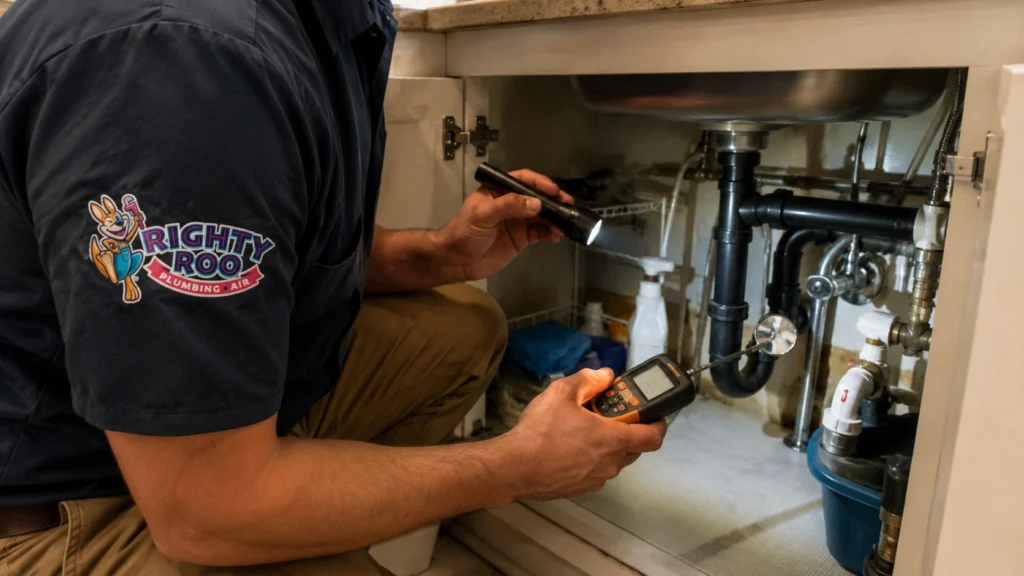
A thorough plumbing inspection does not just focus on one spot. A licensed plumber will evaluate your entire plumbing system from multiple angles. Here is a breakdown of the key areas covered.
Water Supply Lines
The inspector will check all the pipes that bring fresh water into your home. This includes the main water line coming in from the street, the pipes running to your kitchen, bathrooms, laundry room, and outdoor faucets. They are looking for signs of corrosion, leaks, improper pipe materials, and low water pressure.
If your home is older and still has galvanized steel or polybutylene pipes, this is a major area of focus. Those materials are known to cause problems over time and may need to be replaced.
Drain and Sewer Lines
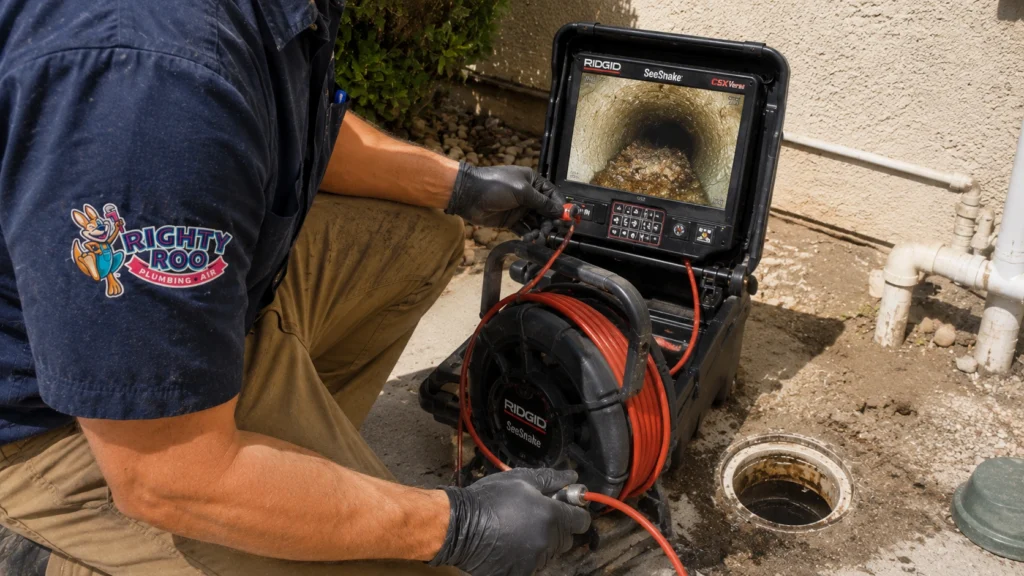
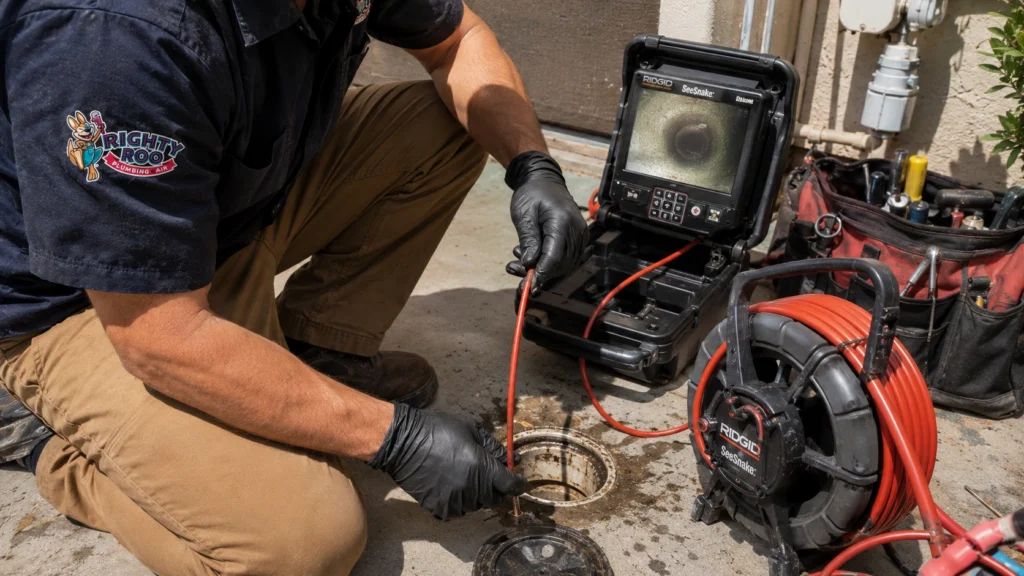
Every sink, toilet, tub, and shower drains into a sewer line that exits your home. The inspector will check how well everything drains, look for slow drainage that could signal a blockage, and may run a camera through your sewer line to check for tree root intrusion, cracks, or buildup.
A slow drain in one fixture is usually a small clog. Slow drains throughout the entire house, however, often point to a deeper issue in the main line. Catching this early can prevent a full sewage backup, which is one of the most unpleasant and costly plumbing emergencies a homeowner can face.
Water Heater
Your water heater works hard every single day, and most people do not think about it until it stops working. During an inspection, the plumber will check the age of the unit, look for signs of corrosion or leaking around the base, test the pressure relief valve, and check the temperature settings.
Most water heaters last between 8 and 12 years. If yours is getting close to that range or is showing signs of rust, the inspector will flag it and recommend next steps.
Toilets, Sinks, and Fixtures
Every fixture in your home gets a look. The inspector will flush each toilet to check for running water and proper drainage, test sink faucets for pressure and leaks, and check the seals and connections underneath each fixture. A toilet that keeps running after a flush wastes a surprising amount of water and can quietly add up on your water bill over time.
Exposed Pipes in Basements, Crawl Spaces, and Utility Rooms
If your home has a basement, crawl space, or utility area, the plumber will inspect any visible pipes in those locations. These areas are common spots for slow leaks, moisture buildup, and signs of past water damage that may not be obvious elsewhere in the home.
Shut-Off Valves
Every home should have working shut-off valves, both for the main water supply and for individual fixtures. The inspector will test these valves to make sure they open and close properly. In an emergency, a working shut-off valve can be the difference between a minor inconvenience and a major flood.
How Long Does a Plumbing Inspection Take?
For a standard single-family home, a professional plumbing inspection usually takes between one and three hours. The exact time depends on the size of your home, the age of the plumbing system, and whether any issues are found that require a closer look.
Larger homes with more bathrooms, older plumbing systems, and homes where a sewer camera inspection is included will naturally take a bit longer. It is worth setting aside a half day so neither you nor the plumber feels rushed.
Common Problems Found During a Plumbing Inspection
Knowing what inspectors commonly discover can help you pay attention to the right things in your own home.
Leaky Pipes and Connections
Even a tiny, slow leak can cause mold growth and structural damage over time. Many leaks hide behind walls or under floors and are only discovered during a thorough inspection.
Outdated or Faulty Pipe Materials
Homes built before the 1980s may have pipes that no longer meet modern standards. Lead pipes, polybutylene, and certain galvanized materials are common red flags that come up during inspections.
Water Heater Issues
Sediment buildup, improper venting, and aging units are among the most frequently flagged water heater problems. These issues can reduce efficiency and, in some cases, create safety hazards.
Clogged or Damaged Sewer Lines
Tree roots are surprisingly aggressive when it comes to sewer lines. They can work their way through small cracks and grow until they cause a blockage. A sewer camera inspection can catch this before it turns into a backup.
Running Toilets and Dripping Faucets
These are the quiet water wasters. They seem minor but can add hundreds of dollars to your water bill annually if left unchecked.
How to Prepare for a Plumbing Inspection
Getting ready for a plumbing inspection does not take much effort, but a little preparation makes the process smoother for everyone.
- Clear the area under sinks. Remove cleaning products and clutter so the plumber can easily access the pipes and shut-off valves beneath each sink.
- Make sure all fixtures are accessible. If furniture is blocking access to a bathroom, move it ahead of time.
- Write down any concerns. If you have noticed a slow drain, a strange smell, or a faucet that drips, let the inspector know upfront.
- Locate your main water shut-off valve. If you do not know where it is, the inspector can help you find it, but knowing ahead of time is always helpful.
What Happens After the Inspection?
Once the inspection is complete, the plumber will walk you through their findings. You will typically receive a written report that outlines what was inspected, what was found, and what is recommended.
Not every finding requires immediate action. Some issues are minor and can be monitored over time. Others, like a failing water heater or a cracked sewer line, may need attention sooner. The plumber will help you understand which repairs are urgent and which can be scheduled at your convenience.
Use the report as a roadmap. Address the high-priority items first, then work through the rest over time. Keeping a copy of the report also gives you a useful baseline for future inspections.
When Should You Schedule a Plumbing Inspection?
A plumbing inspection is a smart move in several situations.
- Before buying a home. A standard home inspection may miss plumbing-specific details. A dedicated plumbing inspection gives you a fuller picture.
- After purchasing an older home. Older homes often have plumbing surprises that do not show up right away.
- If you notice warning signs. Low water pressure, discolored water, slow drains, or high water bills are all reasons to call sooner rather than later.
- As part of routine maintenance. Even without visible problems, an inspection every two to three years helps you stay ahead of issues.
Final Thoughts
A professional plumbing inspection is one of the most practical investments you can make as a homeowner. It removes the guesswork, catches hidden problems early, and gives you the confidence of knowing your home’s water systems are in good shape. Whether you are preparing for a home purchase, maintaining an older property, or simply being proactive, a plumbing inspection is time and money well spent.
When you are ready to schedule your plumbing inspection, the team at Righty Roo Plumbing & Air is here to help. With experienced technicians, thorough inspections, and straightforward communication, Righty Roo Plumbing & Air makes the process simple and stress-free from start to finish. Reach out today and take the first step toward a healthier, safer home.